PLA 3D printing
Crisp detail and a clean finish. Ideal for prototypes, models and indoor parts. Parts from ₹49, inclusive of all taxes.
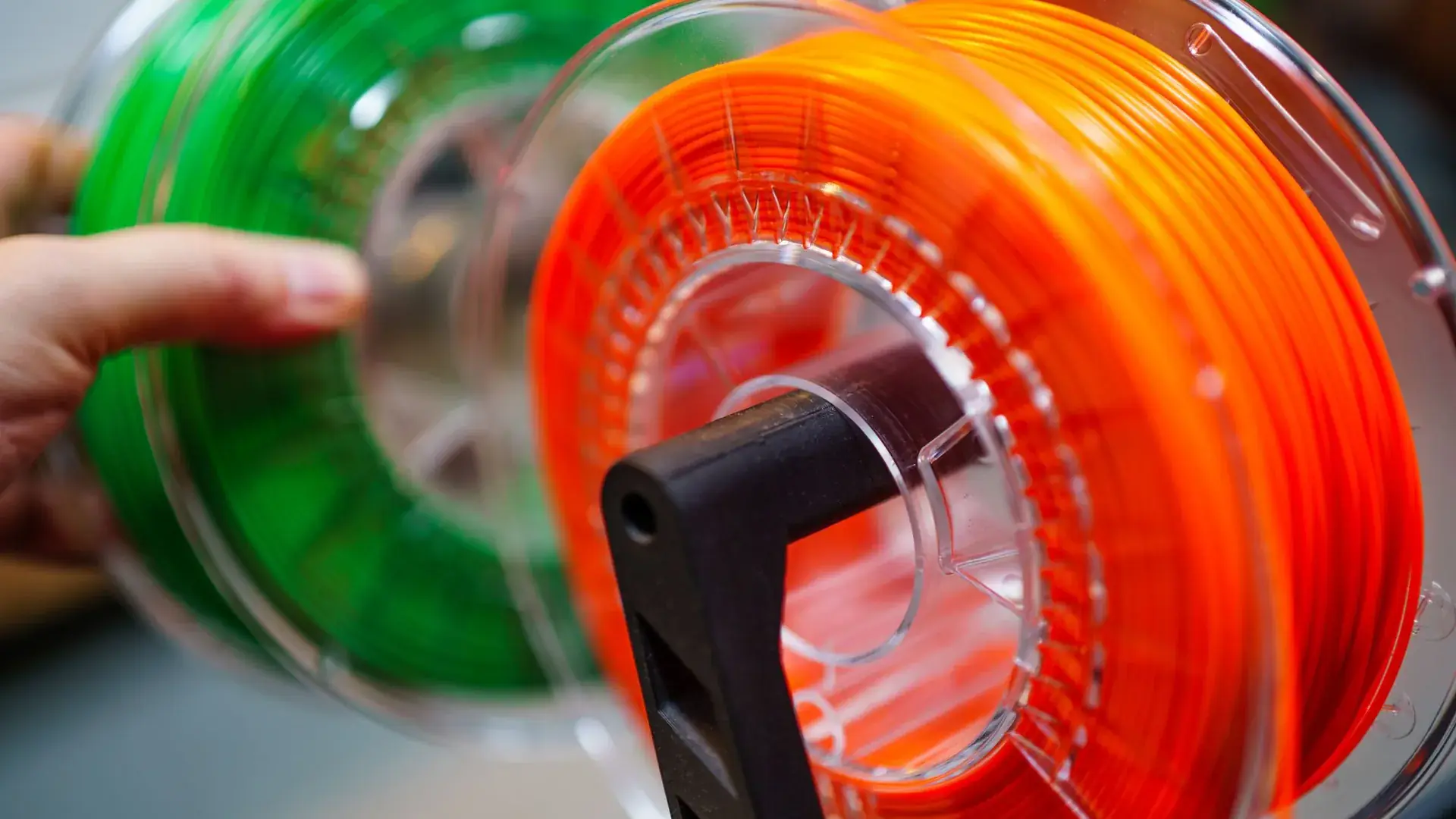
What is PLA good for?
PLA is the most widely used 3D printing plastic. It prints with crisp detail and a smooth, matte-to-satin finish, holds dimensions well and is the lowest-cost material we offer, which makes it the default choice for prototypes, models and indoor parts.
Choose PLA for
- Prototypes and fit checks before a final design
- Display, architectural and presentation models
- College and school projects
- Organisers, holders and desk accessories
- Jigs, fixtures and templates used indoors
Pick something else if
- The part sits in a hot car, near a heater or a motor: PLA softens at around 55 °C (choose ABS)
- It stays outdoors in strong sun for months (choose ASA)
- It must bend, snap-fit repeatedly or survive drops (choose PETG or TPU)
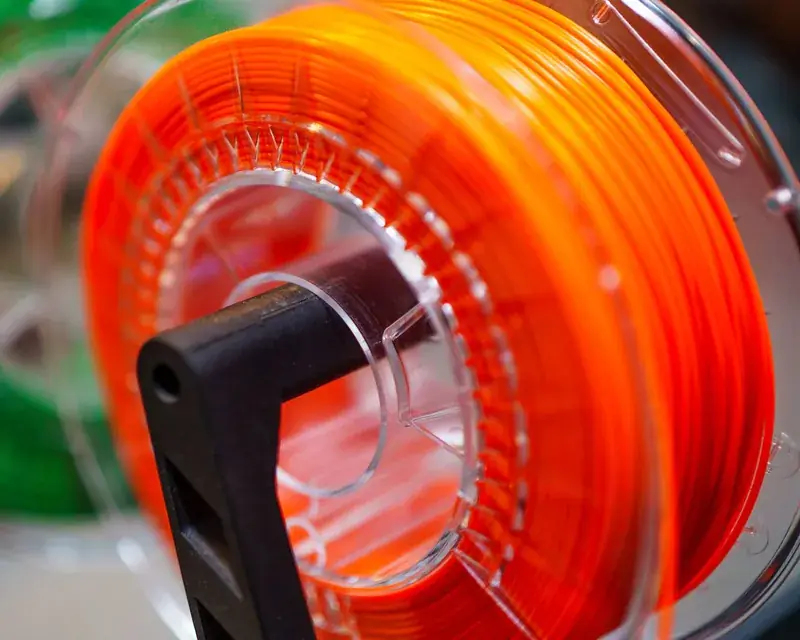 PLA₹ Budget
The all-rounder
PLAPolylactic Acid
Crisp detail and a clean finish. Ideal for prototypes, models and indoor parts.
- Strength
- Toughness
- Flexibility
- Heat resistance
- UV / outdoor
- Surface finish
- Excellent surface finish
- Sharp detail and accuracy
- Rigid
- Lowest cost
Softens around 55 °C.
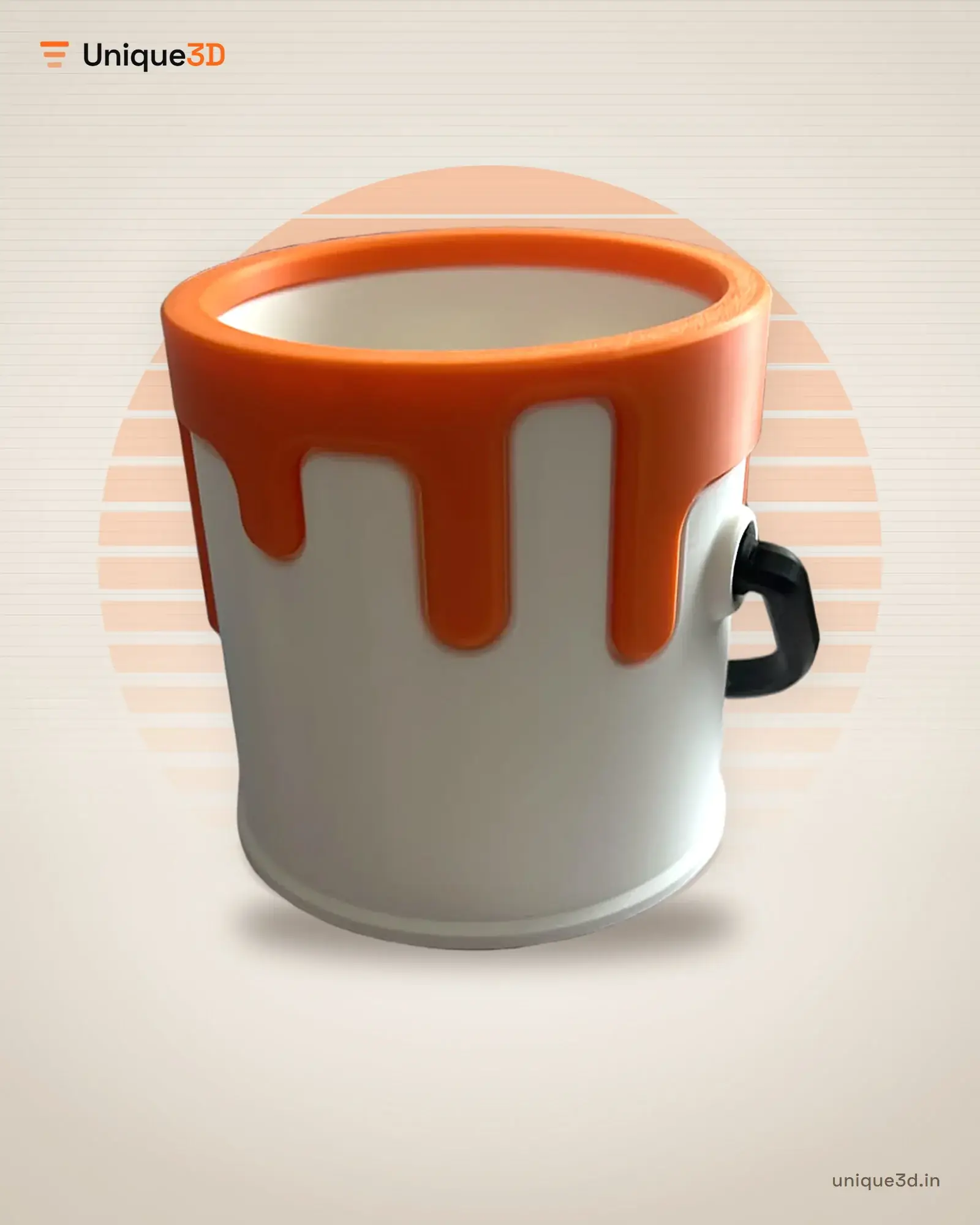
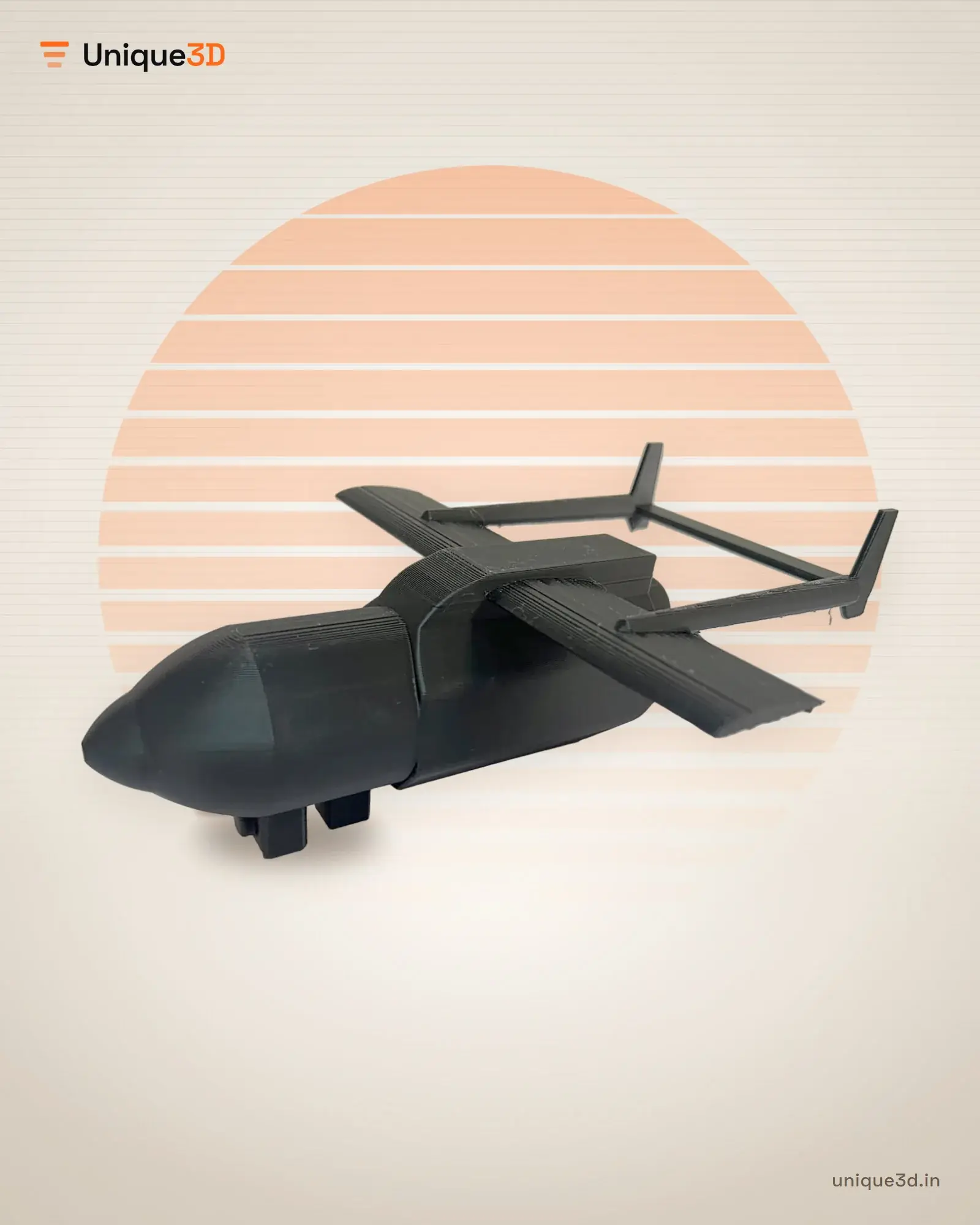
Printed in PLA
Photographs of parts we printed in PLA.
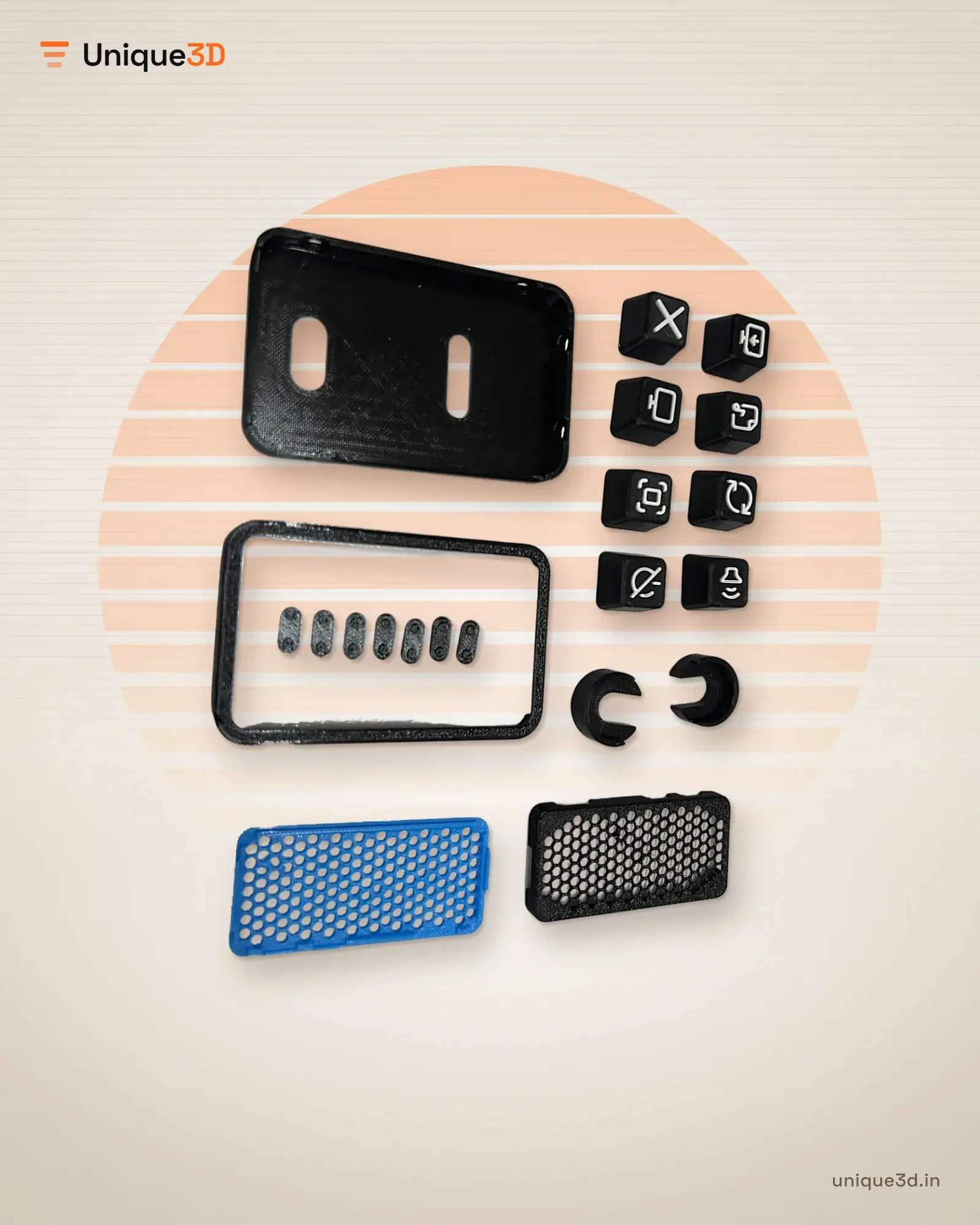
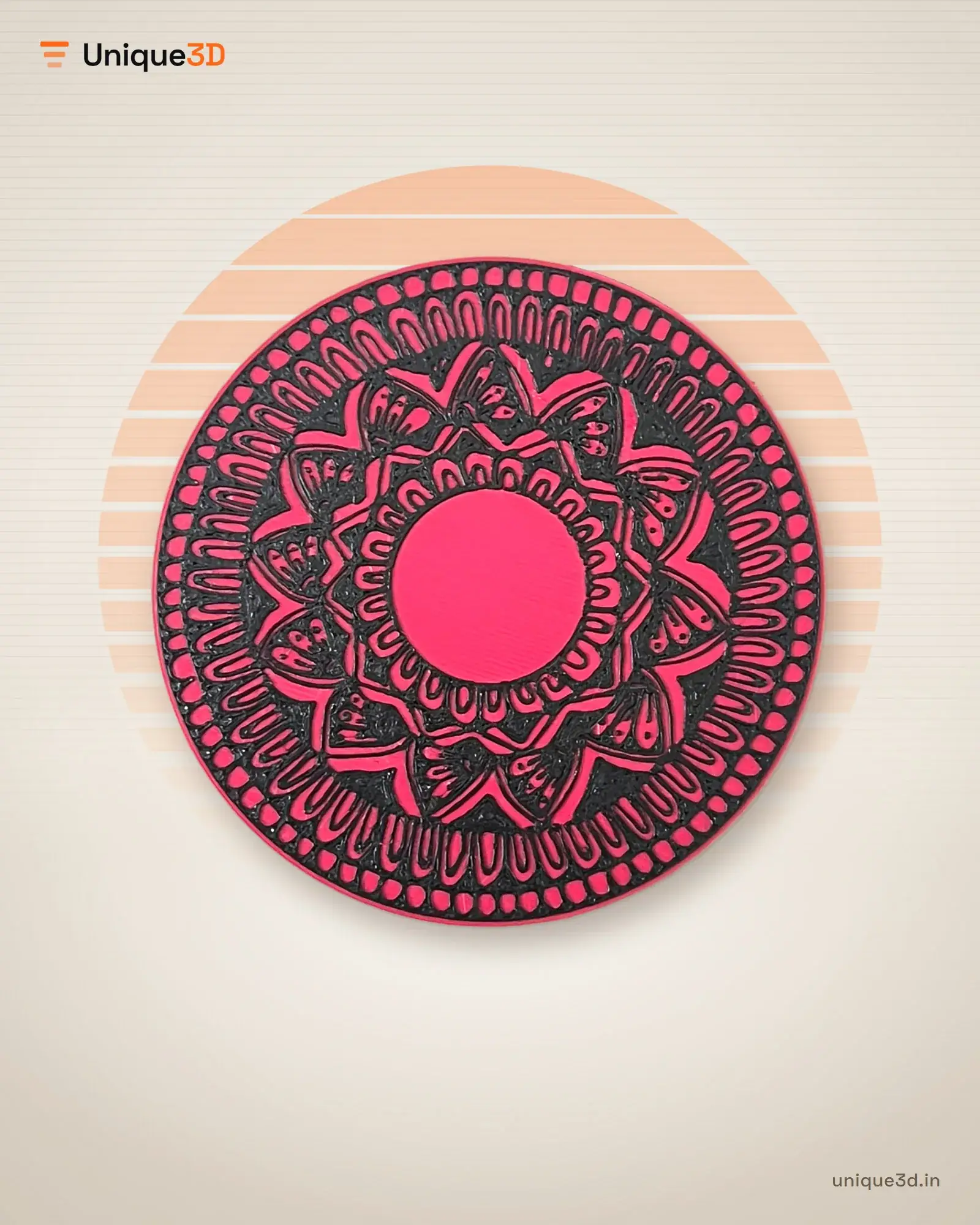
Example PLA prices
Standard quality, 20% infill, inclusive of all taxes. Five pieces get the bulk discount.
| Part | Size | 1 piece | 5 pieces |
|---|---|---|---|
| Cable clip | 30 × 20 × 10 mm | ₹49 | ₹235 |
| Phone stand | 80 × 70 × 90 mm | ₹176 | ₹835 |
| Electronics enclosure | 120 × 80 × 40 mm | ₹270 | ₹1,280 |
| Display model | 60 × 60 × 110 mm | ₹235 | ₹1,115 |
More examples and what changes the price: 3D printing price guide.
7 PLA colours in stock
- Black
- Midnight Grey
- White
- Blue
- Brown
- Orange
- Green
- GreyOut of stock
- RedOut of stock
- YellowOut of stock
- Natural / TranslucentOut of stock
Getting the best from PLA
- Standard quality (0.20 mm layers) is the best value for most parts; pick Fine for curved, visible surfaces.
- 20% infill suits models and covers; go to 40–60% for brackets that carry load.
- Choose PLA for looks, PETG for toughness: send both quotes to compare in seconds.
Is PLA strong enough for functional parts?
PLA is stiff and fairly strong, but it is brittle compared with PETG: under overload it snaps rather than bends. It is fine for light-duty indoor parts. For clips, mounts and anything that gets knocked about, PETG is the safer choice.
Can PLA parts be used outdoors?
For short periods, yes. Long sun exposure and heat make PLA soften and deform, so for parts that live outside choose PETG, which handles moisture and moderate sun better.
Is 3D printed PLA food-safe?
We don't recommend any FDM 3D printed part for repeated food contact: the fine layer lines can trap bacteria. PLA is fine for decorative and dry-storage items.